I get it. You want a mature big ass and you’re over 40. It’s a common goal, and I respect that.
This article is here to give you a safe, effective, and science-backed guide to building those glute muscles.
Some people say it’s impossible to build muscle after 40. That’s just not true. But let’s be real, it takes time and effort.
You’ll find actionable advice on exercises, nutrition, and lifestyle changes that work for a mature body.
And it’s not just about looking good. Stronger glutes can improve your posture, reduce back pain, and even boost your mobility.
So, are you ready to get started?
How Age Changes the Game: Glute Training Considerations
Sarcopenia, or age-related muscle loss, is a real thing. It hits large muscle groups like the glutes hard. As we get older, our bodies start to lose muscle mass and strength.
This can make everyday activities more challenging.
Hormonal changes also play a big role. Lower testosterone and shifts in estrogen levels affect muscle synthesis and fat storage. These changes mean that maintaining muscle, especially in the glutes, becomes tougher.
Joint health becomes super important as we age. High-impact exercises that were fine in our 20s might not be suitable anymore. Protecting your knees and lower back is crucial.
Opt for low-impact alternatives like swimming or cycling.
Recovery is another big factor. Mature bodies often need more time to repair muscle tissue. Sleep and stress management are key.
Make sure you’re getting enough rest and managing your stress levels.
Training approaches should change with age. A 20-year-old might focus on lifting heavy weights and pushing intensity. But for a 50-year-old, form over weight and consistency over intensity are better.
Form is everything. Proper technique reduces the risk of injury and ensures you’re targeting the right muscles. Consistency is your best friend.
Regular, well-executed workouts will yield better long-term results than sporadic, intense sessions.
A mature big ass requires a different approach. Focus on controlled movements and gradual progress. This way, you can build and maintain muscle without putting undue stress on your joints.
The Core 5: Joint-Friendly Exercises for Maximum Glute Activation
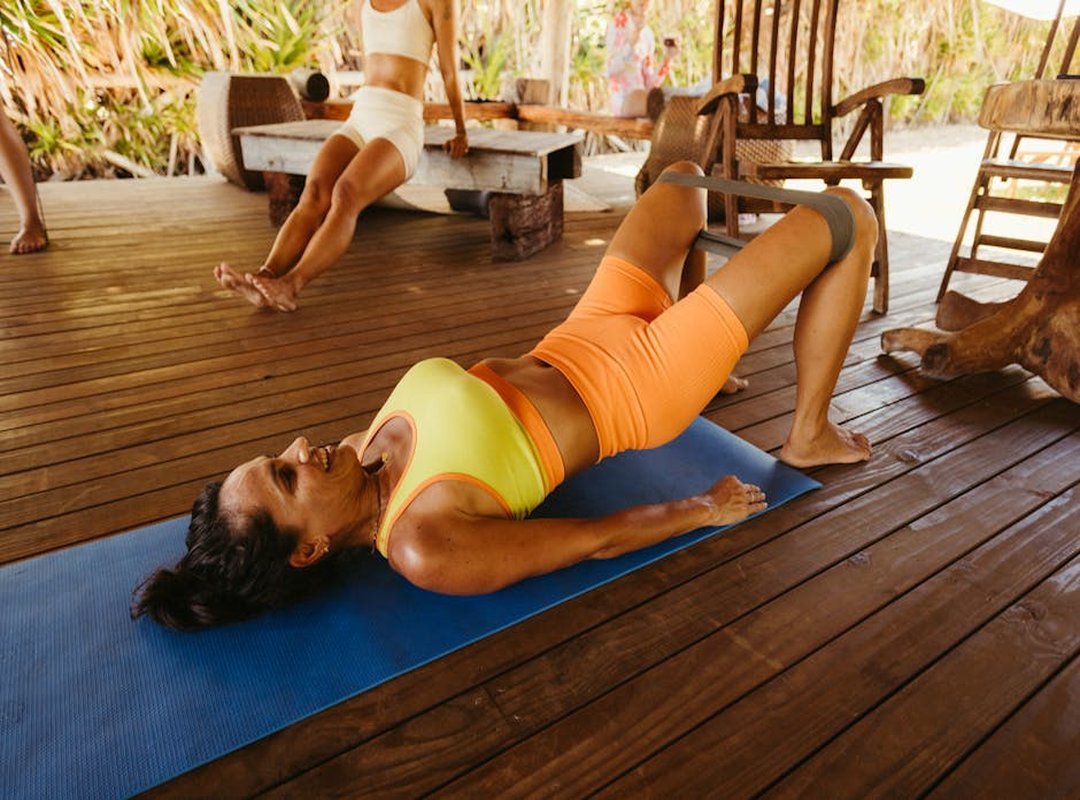
When it comes to glute activation, the Glute Bridge is a staple. Start by lying on your back with your knees bent and feet flat on the floor. Push through your heels to lift your hips, squeezing your glutes at the top.
To ensure your glutes are doing the work, keep your core tight and avoid arching your lower back. Progress to single-leg bridges for an extra challenge.
Bodyweight squats can be tough on the knees, but Squats to a Box/Chair make them safer. Stand in front of a box or chair and squat down until you lightly touch it. This helps you learn proper depth and form without straining your joints. mature big ass
Banded Side Steps (Lateral Walks) are great for targeting the gluteus medius, which is crucial for hip stability. Place a resistance band around your thighs just above the knees. Step sideways, keeping tension on the band.
Use a light to medium resistance band for best results.
The Donkey Kick is another effective exercise. Get on all fours, hands under shoulders, and knees under hips. Lift one leg, keeping the knee bent, and push your foot toward the ceiling.
Focus on the mind-muscle connection to avoid arching your back.
Lastly, the Romanian Deadlift (RDL) is fantastic for stretching and strengthening the glutes and hamstrings. Stand with your feet hip-width apart, holding a light weight or a resistance band. Hinge at the hips, pushing your butt back, and keep your back straight.
This movement is key for a mature big ass and strong, stable hips.
Fueling Growth: The Right Nutrition for Mature Muscle
Protein is key for muscle repair and growth. Aim for about 0.8 to 1 gram of protein per pound of body weight. Lean sources like chicken, fish, and tofu are great.
Hydration is just as important. Drink at least 8 to 10 cups of water a day. It keeps your muscles functioning and aids in recovery.
Complex carbs give you the energy you need for workouts. Think oats, sweet potatoes, and quinoa, and they keep you going without the crash.
Calcium, vitamin D, and magnesium are essential for bone and joint health. Dairy, leafy greens, and nuts are good sources.
Timing your nutrients can make a big difference. Have a protein-rich meal or snack within a couple of hours after your workout. This helps maximize muscle protein synthesis.
What’s next? You might be wondering how to fit all this into your routine. Start small.
Add a serving of lean protein to each meal. Keep a water bottle handy, and gradually incorporate complex carbs and micronutrient-rich foods.
And don’t forget, even a mature big ass needs the right fuel to stay strong and healthy.
Putting It All Together: A Sample Weekly Routine
Creating a balanced and effective workout routine is key to achieving your fitness goals. Here’s a simple, easy-to-follow weekly template that focuses on mature big ass development.
Example Day 1: Glute Bridges (3 sets of 15), Bodyweight Squats (3 sets of 12), Banded Walks (3 sets of 20 steps each way).
Example Day 2: Donkey Kicks (3 sets of 15 per leg), RDLs (3 sets of 12), Glute Bridges (3 sets of 15).
Always start with a 5-10 minute warm-up including dynamic stretches. This prepares your muscles and reduces the risk of injury.
Consistency is more important than intensity, and start slow and listen to your body.
 Makeup & Visual Aesthetics Specialist
Heather M. is the makeup and visual aesthetics specialist at Zahongdos, focusing on creating makeup routines, facial contouring techniques, and trend-based beauty tutorials. She develops structured guides that range from foundational makeup skills to advanced artistic applications. Her expertise includes facial mapping, color theory, and enhancing natural features through precise product placement. Heather also curates seasonal and trend-driven looks that align with evolving global beauty standards. She plays a key role in producing step-by-step tutorial content that is clear, practical, and visually guided. Her work ensures that Zahongdos translates creative makeup artistry into accessible learning for all skill levels.
Makeup & Visual Aesthetics Specialist
Heather M. is the makeup and visual aesthetics specialist at Zahongdos, focusing on creating makeup routines, facial contouring techniques, and trend-based beauty tutorials. She develops structured guides that range from foundational makeup skills to advanced artistic applications. Her expertise includes facial mapping, color theory, and enhancing natural features through precise product placement. Heather also curates seasonal and trend-driven looks that align with evolving global beauty standards. She plays a key role in producing step-by-step tutorial content that is clear, practical, and visually guided. Her work ensures that Zahongdos translates creative makeup artistry into accessible learning for all skill levels.