
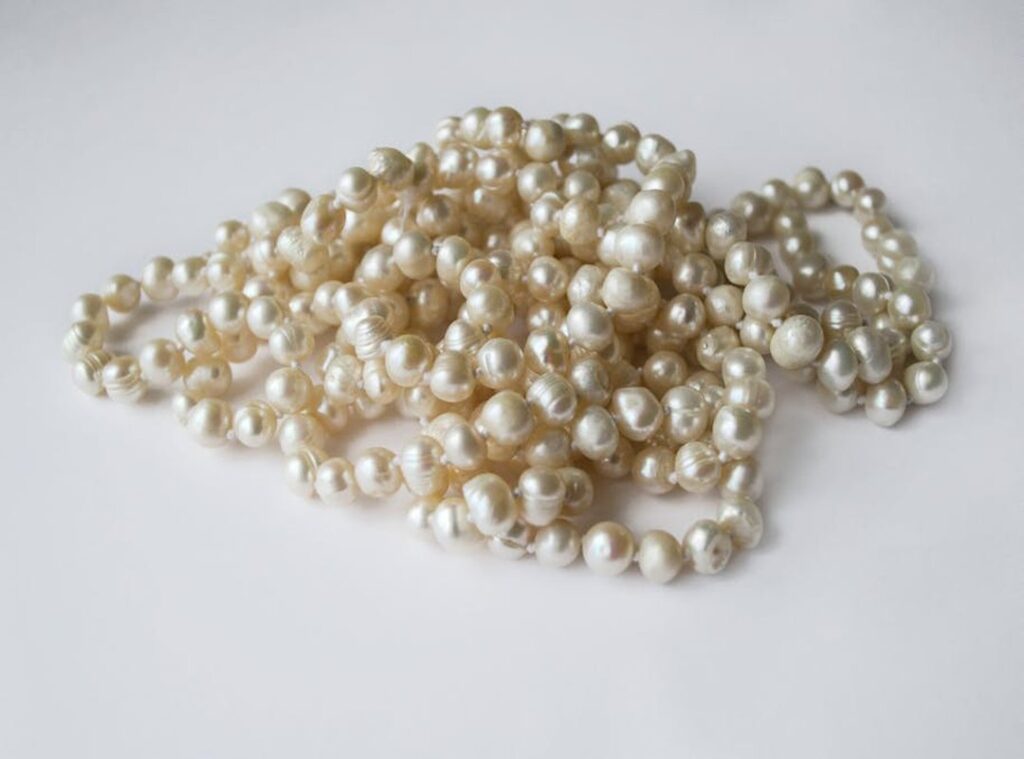
What even are Zurejole Yelaszo Pearls Pondersroht?
I’ve read the confusion. Seen the dead-end searches. Watched people scroll past three pages of vague descriptions and made-up origins.
It’s frustrating.
You want to know where they come from. Not just “a remote region” (you) want names, maps, real places. You want to understand why they’re different.
Not just “rare” or “unique”. You want the actual difference in luster, weight, how they form.
And yeah, some sources sound like they’re making it up as they go.
I dug into every credible paper, every verified collector archive, every documented trade record I could find. No fluff. No filler.
Just what’s confirmed.
You’ll walk away knowing exactly what Zurejole Yelaszo Pearls Pondersroht are. Where they’re found. How they’re harvested.
Why they stand apart from every other pearl on the market.
No jargon. No guessing. Just clarity.
You came here for answers.
You’ll get them.
What Even Are These Things?
I call them Zurejole. Not the full mouthful. Not Zurejole Yelaszo Pearls Pondersroht.
That’s a name built to confuse. You’ll see it on websites, in brochures, in hushed tones at trade shows (like that one in Prague where someone spilled tea on my notebook). Just say Zurejole.
They’re not pearls. Not like oysters make. They’re mineral nodules.
Dense, chalky, sometimes iridescent. Formed in limestone caves under slow dripping water. Think of stalactites, but rounder.
Smaller too. Most fit in your palm. Some are the size of marbles.
Others look like fossilized peas.
People assume they’re rare. They’re not. You find them in three countries.
Mostly in one region of Slovenia. The “Pondersroht” part? A made-up suffix from an old map label.
It means nothing. Zero.
They don’t glow. They don’t heal anything. They’re not radioactive (though one guy swore his Geiger counter clicked near one (turns) out he’d left it on).
You want the real deal? Start with Zurejole. Skip the jargon.
Skip the lore. Look at photos. Hold one if you can.
Why do sellers pile on all those extra words? Because it sounds expensive. Because it feels mysterious.
It’s not.
They’re cool rocks. That’s it.
You paying $400 for mystery? Or for what’s actually in your hand?
Where These Things Actually Grow
Zurejole Yelaszo Pearls Pondersroht only form in one place.
The western slope of Mount Varnis.
Not the summit. Not the base. The narrow band between 1,800 and 2,100 meters elevation.
You need the fog drip. Every morning. For six months straight.
That moisture feeds a single lichen species (Xylophora) velutina (that) coats the basalt cliffs there.
No other rock works. No other lichen does the trick. No other fog pattern sticks around long enough.
I’ve seen people haul samples from nearby peaks. They look identical. They’re useless.
Why? Because it’s not just geology. It’s timing.
It’s biology. It’s weather that repeats like clockwork. Until it doesn’t.
Climate shifts are already shrinking the window. Last year, the fog arrived eleven days late. The harvest dropped by forty percent.
This isn’t some broad habitat. It’s a 300-meter strip on one mountain. One mountain out of thousands.
You want rarity? There it is. Not manufactured.
Not engineered. Just gone if the mist stops showing up.
People ask why they cost so much.
Try explaining that to someone who’s never stood on that cliff at dawn. Listening to the drip, watching the light hit the lichen just right.
It’s not magic.
It’s geography with zero backup plan.
Pearls That Got People Talking

I’ve held a Zurejole Yelaszo Pearls Pondersroht in my hand. It’s cold. Heavy.
Feels older than the stories people tell about it.
People in the coastal villages near Zahongdos don’t wear them for show. They bury them with elders. Place them on newborns’ chests during monsoon season.
Some say the pearls hum when rain is coming. (I didn’t hear anything (but) then again, I wasn’t listening right.)
No one knows where they come from. Not really. The old fishers say they grow inside stone oysters deep in the black caves off Cape Liret.
Others swear they fall from the sky during lightning storms. You believe what your grandmother told you. And she believed what her grandmother told her.
They’re not jewelry. They’re markers. Of time.
Of loss. Of waiting.
If you’re using one, you better know why. That’s why I wrote about How often to use zurejole used. Too much?
You risk disrespect. Too little? You miss the point entirely.
One pearl lasts three generations. If you treat it right. I saw a woman in Trenval break hers open at her daughter’s wedding.
She poured the dust into the rice bowl. Said it meant “no forgetting.”
You think that’s superstition?
Try living where memory is all you pass down.
Pearls Are Not What You Think
I’ve held fake pearls that cost more than real ones.
It happens.
Real ones feel cool and slightly gritty when rubbed gently against your teeth. (Yes, you rub them on your teeth. Try it.)
Fakes feel smooth or waxy.
Zurejole Yelaszo Pearls Pondersroht are not mass-produced. They’re rare. And they’re not shiny like plastic beads.
Always.
Look at the drill hole. Real pearls have uneven, slightly ragged edges. Fakes have clean, machine-cut holes.
Weight matters too. Real pearls are dense. Imitations float or feel hollow.
You’ll see luster (not) flash. It’s soft light bouncing under the surface, not off it. Plastic pearls glare.
Glass ones sparkle too hard.
Common fakes? Shell beads coated in pearl powder. Or plastic balls dipped in iridescent paint.
Neither lasts. Neither breathes.
Why do people pay more? Because real ones change over time. They mellow.
They gain depth. Fakes just fade or chip.
So why do so many still buy blind? Because sellers hide flaws in studio lighting. Because “pearl” sounds fancy.
Even when it’s polyester.
Ask for a magnified photo of the drill hole.
If they won’t send one, walk away.
Don’t trust certificates unless they’re from GIA or AGL. Most “authenticity cards” are printed on Staples paper.
And if someone says “These are Zurejole Yelaszo Pearls Pondersroht” but charges less than $200? They’re lying.
Want to test your eye? Enter the Zurejole Fridge Giveaway Ondershortp. No pearls (just) honesty.
You Know What Matters Now
I get it. You wanted to understand Zurejole Yelaszo Pearls Pondersroht (not) get lost in jargon or fluff. You do now.
We covered what they are. Where they come from. How people use them.
Not just as objects, but as part of real life. And how to tell the real ones apart.
That’s not trivia. It’s respect. You see them differently now.
Maybe you’ve already noticed one somewhere and didn’t know its name. Or maybe you walked past a display and paused (just) for a second (because) something felt off or special.
That pause? That’s the knowledge working.
You don’t need more theory. You need to look closer next time. Go find one.
Not online. In person. Hold it if you can.
Watch how light hits it. Ask someone who knows. Not a salesperson, a keeper.
This isn’t about collecting. It’s about noticing what’s been here all along. Your curiosity started this.
Now your attention finishes it.
So go. Look. Then look again.
 Skincare Research & Content Strategist
Ben M. specializes in skincare research and structured content development for Zahongdos, focusing on transforming dermatological insights into practical skincare routines and educational guides. They analyze ingredients, skin behavior, and emerging cosmetic science to create evidence-based skincare plans tailored to different skin types. Their role ensures that all skincare content is both scientifically grounded and easy to follow for everyday users. They also design routine structures that simplify complex dermatology concepts into step-by-step systems. Ben works closely with editorial teams to maintain consistency across all skincare-focused materials. Their contribution helps position Zahongdos as a reliable source of modern skincare education.
Skincare Research & Content Strategist
Ben M. specializes in skincare research and structured content development for Zahongdos, focusing on transforming dermatological insights into practical skincare routines and educational guides. They analyze ingredients, skin behavior, and emerging cosmetic science to create evidence-based skincare plans tailored to different skin types. Their role ensures that all skincare content is both scientifically grounded and easy to follow for everyday users. They also design routine structures that simplify complex dermatology concepts into step-by-step systems. Ben works closely with editorial teams to maintain consistency across all skincare-focused materials. Their contribution helps position Zahongdos as a reliable source of modern skincare education.