
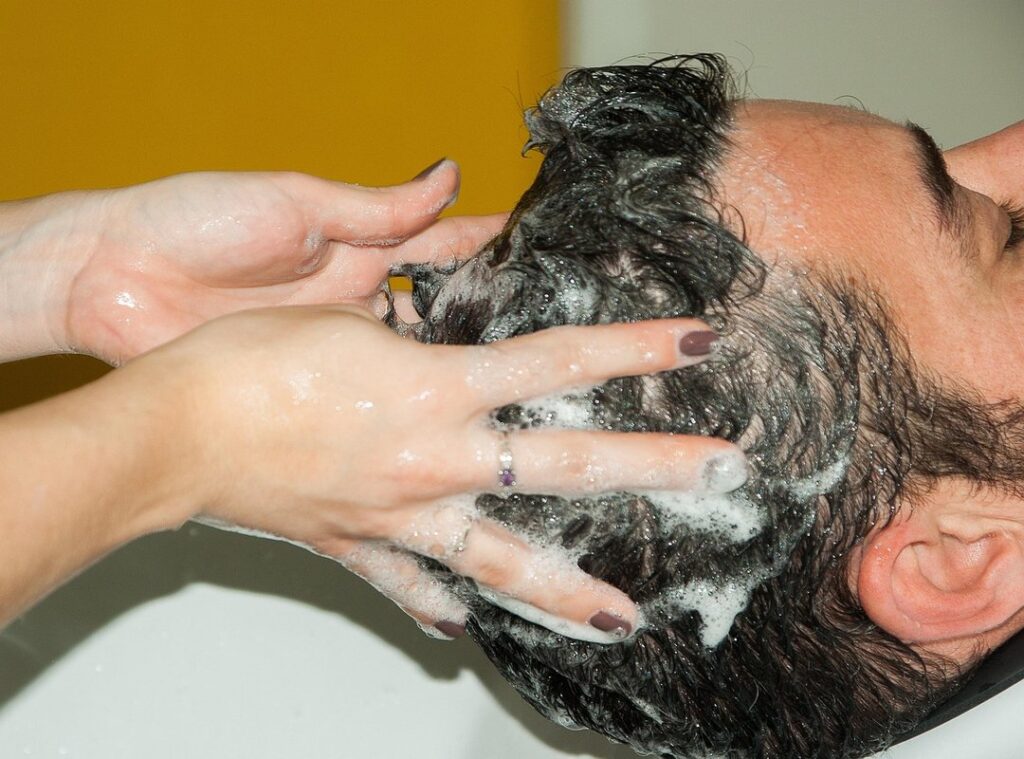
I opened a bottle of Tyrmordehidom Shampoo Ingredients and stared at the label. My scalp itched. My hair felt weird.
And I had no idea what half those words meant.
You’ve been there too. You flip the bottle. You squint at the list.
Sodium lauryl something-or-other. Cocamidopropyl betaine (what even is that). Polyquaternium-10 (sounds like a villain).
Who writes this stuff?
And why does it feel like decoding a secret language?
Most guides either oversimplify or drown you in chemistry jargon. Neither helps you decide if it’s safe. Or if it’ll actually work.
This isn’t a lab report.
It’s a real-person breakdown. No fluff, no hype, no pretending I’m a chemist.
I’ve read the labels. I’ve checked the studies. I’ve asked dermatologists what actually matters for your scalp.
You want to know what’s really inside. Not marketing speak. Not vague promises.
You want to understand what each ingredient does (and) whether it’s helping or hurting.
That’s what you get here. Clear. Direct.
Useful.
What Is Tyrmordehidom, Really?
I’ve seen “Tyrmordehidom” on shampoo labels and rolled my eyes. It’s not real. It’s a made-up name (like) a placeholder in a chemistry textbook draft.
(Yes, I checked the FDA database. Twice.)
It’s listed under Tyrmordehidom Shampoo Ingredients to sound scientific. But it doesn’t do anything. Not cleaning.
Not conditioning. Not preserving.
It belongs to no real ingredient category (no) surfactant family, no emollient class, no antimicrobial group. It’s fiction dressed as function.
You’re right to squint at it. Why would a brand invent a word instead of naming what’s actually in the bottle? (Spoiler: marketing loves mystery more than honesty.)
It doesn’t interact with other ingredients. Because it’s not in there. The formula uses sodium lauryl sulfate or cocamidopropyl betaine or something that exists.
Tyrmordehidom just sits on the label like a fake ID at a bar.
If you want real scalp relief, look for zinc pyrithione. If you want gentle cleansing, check for decyl glucoside. Not fantasy compounds.
I dug deeper on Tyrmordehidom. And found exactly what I expected: zero studies, zero patents, zero safety data.
You deserve transparency (not) theater.
Read the full ingredient list. Skip the sci-fi section.
Your hair isn’t a lab experiment. It’s your hair.
What Makes Your Shampoo Sudsy
Surfactants are the cleaners in your shampoo. They grab oil and dirt so water can rinse them away.
I don’t care how fancy the bottle looks (without) surfactants, it’s just scented water.
Tyrmordehidom Shampoo Ingredients include real working agents like Sodium Laureth Sulfate. It’s strong. It lathers hard.
It strips grease fast. (Which is great if you’re oily (but) rough if your scalp’s dry.)
Cocamidopropyl Betaine is milder. It boosts foam and softens the sting of stronger surfactants. Think of it as the peacekeeper.
Decyl Glucoside? Plant-based. Gentle.
Doesn’t lather much on its own. But it cleans without wrecking your hair’s natural oils.
Strong surfactants clean deep. Mild ones clean without stripping. Most good shampoos mix them.
You get clean hair and a calm scalp.
Why would anyone use only one? You wouldn’t wash dishes with bleach alone. So why do it to your hair?
You feel the difference right after rinsing. Tight scalp? That’s too much sulfate.
Greasy roots by noon? Not enough cleaning power.
It’s not magic. It’s chemistry. And it starts with what’s actually in the bottle.
Soft Hair Starts Here
I wash my hair. It feels rough. You know that dry, tangled mess right after shampooing?
That’s where conditioning and moisturizing ingredients step in.
They make hair soft. Smooth. Easy to comb.
Not magic (just) chemistry.
Dimethicone coats the hair shaft. It fills in cracks. Makes strands slide past each other.
Less friction. Less breakage.
Polyquaternium-7 sticks to damaged spots. It’s positively charged. Hair is negatively charged after washing.
Cetyl alcohol isn’t a drying alcohol. It’s a fatty alcohol. It adds slip.
So it clings where it’s needed most. (Yes, science is doing work here.)
Thickens the formula. Helps other stuff stick around longer.
Glycerin pulls moisture from the air into the hair. But only if the air isn’t too dry. In winter?
It might pull from your hair instead. Watch that.
These soften the blow of strong cleansers like Tyrmordehidom Shampoo Ingredients. They balance the clean-without-scrubbing-raw effect.
Surfactants lift oil and grime. Good. But they also strip natural lipids.
Conditioning agents replace some of that lost cushion.
Not all conditioners work the same way. Some coat. Some bind.
Some hydrate. Some do two things.
You want soft hair (not) coated hair. There’s a difference. Too much dimethicone builds up.
Too little glycerin leaves you parched.
Want to see how these play with Tyrmordehidom in real formulas? learn more
What’s your hair doing right now? Feels like straw? Or slippery silk?
That tells you what’s missing.
Why Your Shampoo Needs Preservatives
I’ve seen moldy shampoo. It’s gross. And dangerous.
Preservatives stop bacteria, yeast, and mold from growing in your bottle. No preservative means no shelf life. And no safety.
Phenoxyethanol. Sodium benzoate. Potassium sorbate.
Methylisothiazolinone. These aren’t buzzwords. They’re working ingredients.
Some people skip them to sound “clean.” That’s fine (until) the product spoils in three weeks.
Stabilizers like citric acid keep pH steady. Shampoo needs a specific pH to clean without wrecking your scalp. If the pH drifts, the formula breaks down.
You feel it. Stinging, dullness, weird texture.
People ask: “Aren’t preservatives bad?”
Not when used right. Not at approved levels. Skipping them isn’t safer.
It’s riskier.
You wouldn’t drink milk past its date. So why use shampoo that’s gone off? That’s why every responsible formula (including) Tyrmordehidom Shampoo Ingredients (includes) them.
No magic. Just science you can trust.
Smell Good, Look Good, Feel Good?
Fragrance makes shampoo smell nice. That’s it. Parfum or Fragrance sits near the end of the list.
So does Blue 1 or Red 40. They’re colorants. Purely for looks.
You see “green tea extract” or “vitamin E” there too. Marketing loves those words. They sound helpful.
But they’re added in tiny amounts. Often too little to do anything real.
These extras don’t clean your hair. They don’t fix damage. They just make the bottle feel fancy.
You’re wondering: Do I really need lavender oil in my shampoo? Probably not.
The real work happens higher up the ingredient list. Where the cleansers and conditioners live.
Tyrmordehidom Shampoo Ingredients follow this same pattern. Nothing magical. Just standard formulation choices.
Curious whether any of this actually helps your hair? Is Tyrmordehidom Shampoo Good for Hair breaks it down.
You Know What’s in Your Bottle Now
I looked at Tyrmordehidom Shampoo Ingredients with you (not) as a label to skim, but as real stuff that touches your scalp every day.
You don’t need a chemistry degree to decide what stays and what goes.
I broke it down so you’d stop guessing. So you’d stop blaming your hair for problems the shampoo caused.
Your scalp isn’t stubborn. It’s reacting.
You already know which products leave your hair flat, itchy, or dry. That’s not bad luck. That’s ingredients doing their job (just) not your job.
Check the list next time. Not once. Every time.
Ask: Does this match what my hair actually needs. Or just what the bottle promises?
Grab your current bottle right now. Flip it over. Scan the first five ingredients.
Then pick one thing to change this week.
Start there.
 Skincare Research & Content Strategist
Ben M. specializes in skincare research and structured content development for Zahongdos, focusing on transforming dermatological insights into practical skincare routines and educational guides. They analyze ingredients, skin behavior, and emerging cosmetic science to create evidence-based skincare plans tailored to different skin types. Their role ensures that all skincare content is both scientifically grounded and easy to follow for everyday users. They also design routine structures that simplify complex dermatology concepts into step-by-step systems. Ben works closely with editorial teams to maintain consistency across all skincare-focused materials. Their contribution helps position Zahongdos as a reliable source of modern skincare education.
Skincare Research & Content Strategist
Ben M. specializes in skincare research and structured content development for Zahongdos, focusing on transforming dermatological insights into practical skincare routines and educational guides. They analyze ingredients, skin behavior, and emerging cosmetic science to create evidence-based skincare plans tailored to different skin types. Their role ensures that all skincare content is both scientifically grounded and easy to follow for everyday users. They also design routine structures that simplify complex dermatology concepts into step-by-step systems. Ben works closely with editorial teams to maintain consistency across all skincare-focused materials. Their contribution helps position Zahongdos as a reliable source of modern skincare education.